




Can Red Light Therapy Help Wound Healing?
Can red light therapy aid wound healing? The answer is yes, here’s exactly how and what you need to do at home to help
IN THIS ARTICLE
- 01 Red Light Therapy Explained?
- 02 The Process of Wound Healing
- 03 Does Red Light Therapy Heal Wounds?
- 04 How Red Light Helps Heal Wounds
- 05 Is Red Light Therapy Safe for Wounds?
- 06 Who Can Benefit From Red Light Therapy for Wound Healing?
- 07 Red Light Therapy for Healing Surgical Incisions
Red Light Therapy aids skin rejuvenation in a number of ways, from complementing the efficacy of acupuncture to supercharging collagen production. Through all of the many benefits red light therapies has to offer, one of the main mechanisms in which it performs is wound healing. It can be a powerful tool in wound healing, but there are a couple of things to bear in mind.
Red Light Therapy Explained?

Red light therapy, also known as low-level light therapy (LLLT), is a type of photobiomodulation that provides therapeutic benefits through certain wavelengths of light. It uses low levels and near infrared light to influence cell function, encourage repair and reduce inflammation — and it’s completely painless. In fact, it’s one of the most relaxing ways to recover.
The main way it works is by beaming into the cells in your skin, which influences how they behave. Red light therapy light is absorbed by our mitochondria, which are known as the powerhouse cell, as it influences many other cellular functions in our body. This process increases the production of our ATP, which enables cell proliferation, reduces inflammation and improves cell function. All of this aids an important process in the body: wound healing.
The Process of Wound Healing
There isn’t just one process of wound healing; like most processes in the body, it’s complex. The process is explained by a number of names, and many of these overlap, but put simply, it can be explained in four stages: homeostasis, inflammation, proliferation and remodeling[1]
Hemostasis happens immediately after an injury occurs where the body acts quickly. Blood vessels constrict to stop blood flow in order to prevent further blood loss (known as vasoconstriction), and a clot forms.
Inflammation follows after hemostasis (though sometimes they overlap) as the body’s cells work quickly to fight bacteria and prevent infection. During the inflammation process, redness, swelling and pain can occur.
Next up is the rebuilding, or proliferation, as oxygen-rich red blood cells arrive to build new tissue. This new tissue, known as granulation tissue, fills the wound. Fibroblasts create collagen for the skin’s extracellular matrix (ECM) and epithelial cells (keratinocytes) migrate and proliferate.
Finally, remodeling happens as the tissue reorganizes itself and strengthens over time.
This buildup of granulation tissue and collagen creates scar tissue.
Does Red Light Therapy Heal Wounds?

In short: yes, it certainly helps. In fact, that’s one of the main advantages of red light therapy.
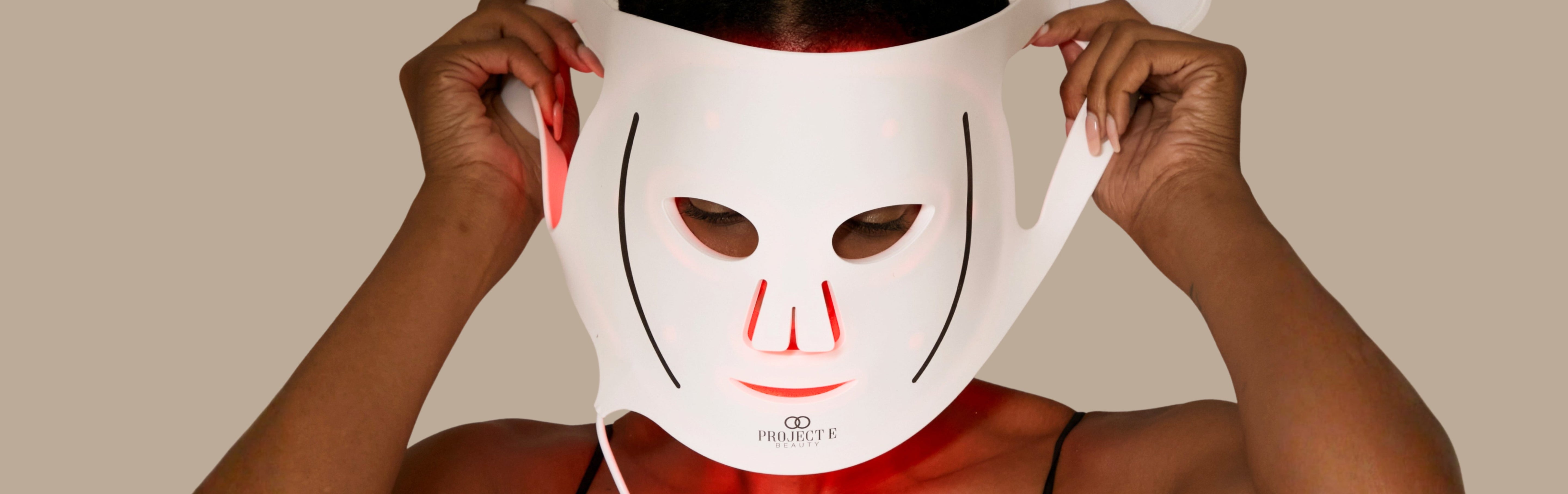
It assists all of the clever mechanisms that keep our skin healthy and regenerating tissue correctly in order to heal wounds. The LumaLux Face | Pro LED Red Light Therapy Mask uses powerful infrared (850nm) and deep infrared (1072nm) shown to help with collagen and keratinocyte proliferation[2].
Of course, it’s important to note that there is no one-size-fits-all. Outcomes depend on the individual and injuries
How Red Light Helps Heal Wounds?

There are a number of ways red light therapy helps with the wound healing process.
ATP production
As explained earlier, red light therapy, specifically with wavelengths at the 630-670nm range, triggers increased ATP production. Wound healing is a high-energy process so ATP working as it should is highly important.
Regulates Inflammation
Inflammation is an important part of the wound healing process, but too much of it can cause issues, too. LLLT helps to prevent excessive tissue damage and regulate inflammatory pathways. Red light therapy works to reduce pro-inflammatory cytokines while increasing anti-inflammatory cytokines to help the body protect itself without chronic inflammation.
Collagen production
In the latter stages of wound healing, collagen production stimulation is important, and fibroblasts and tissue structure are increased[3].
Enhances Cell Proliferation
During the latter stages of wound healing, the cells involved in healing such as keratinocytes and fibroblasts, are essential. LLLT helps these cells work more efficiently to stimulate repair, assisting the body in doing what it was designed to do.
Is Red Light Therapy Safe for Wounds?
When we talk about wound healing, it’s important to clarify that we’re not talking about open wounds that need urgent medical care. You first need to seek medical care for a wound.
LLLT also needs to be used as intended and following the instructions. Keep sessions to the duration suggested and weekly dosage as recommended.
It’s generally considered safe, non-invasive and non-painful — in fact, it’s a relaxing ritual. Dosage of the type of LLLT you use is crucial; too little and it won’t give the intended impact, and too much, it can actually reduce cellular activity.
Who Can Benefit From Red Light Therapy for Wound Healing?
Red light therapy is great for a number of concerns, though it’s important to get it cleared with your doctor first if you’re unsure. Don’t use LLLT with photosensitive conditions and if going through active cancer treatment unless cleared otherwise.
Minor cuts and scrapes can be aided during the latter stages of healing. Inflammatory skin conditions like dermatitis can help alleviate symptoms. It can also be used with scar minimization, causing scar tissue to be more organized and therefore, less visible.
Red Light Therapy for Healing Surgical Incisions
Once cleared with a doctor, post-surgical wounds can be helped with the use of regular LLLT, promoting faster healing and reduction of chronic inflammation. It works by accelerating the healing of a surgical incision (thanks to ATP) and aiding with fibroblast repair to reduce red and raised scar tissues. It also helps to reduce excessive inflammation and any prolonged swelling. Some inflammation is necessary, but too much and it becomes chronic (and unhelpful to the body).
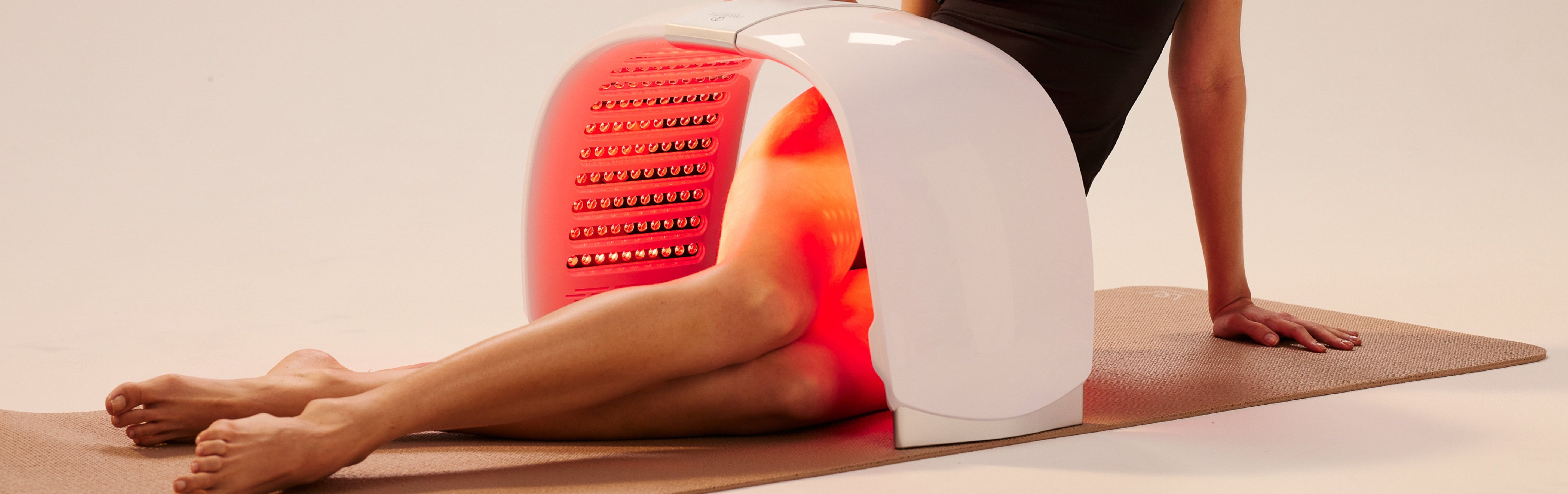
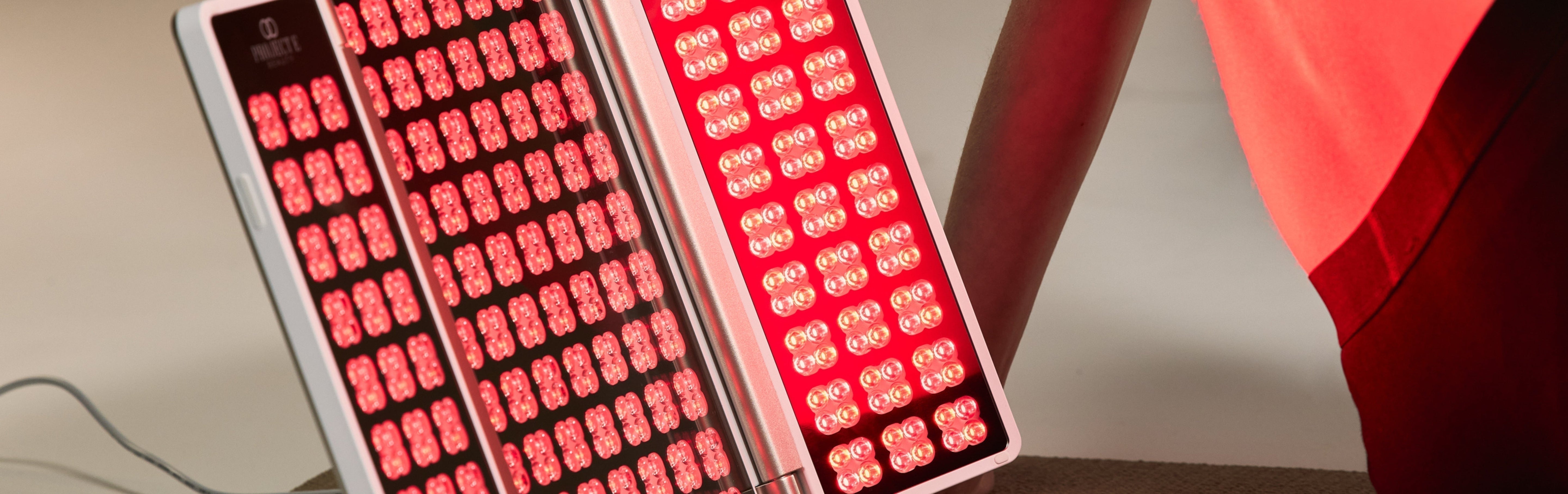
The evidence is concrete when it comes to red light therapy and pain relief, especially as pain is so subjective. However, alongside post-surgical treatment, LLLT is said to help with pain relief and relaxing therapeutic benefits. In recovery, it gives you a chance to relax with the Alora Age Renewal LED Light Therapy Panel or LumaLux Dome | Face & Body LED Red Light Therapy

Alora | Age Renewal LED Light Therapy Panel
Target up to 5 skin layers with advanced blue, infrared and red light therapy contour panel

LumaLux Dome | Face & Body LED Red Light Therapy Device
8 wavelength full body LED light therapy device for skin rejuvenation, fine lines, acne, muscle recovery and mood boost
Conclusion
Red light therapy is an excellent tool in speeding up healing processes and maintaining skin health, but it isn’t a replacement for wound care and medical interventions. As always, using it alongside medical care is key. The ultimate goal is to enhance the body’s natural repair systems, giving healing the best possible outcomes. It gives clinical-level results in just quick sessions, enabling wound healing and a relaxing session from hectic days.



Leave a comment
This site is protected by hCaptcha and the hCaptcha Privacy Policy and Terms of Service apply.