




What Is the Right Red Light Therapy Dose for Skin Benefits?
IN THIS ARTICLE
- 01 What Is Red Light Therapy Dosing?
- 02 Why Red Light Therapy Dosing Is the Key to Effective Light Therapy
- 03 The Correct Red Light Therapy Dosage
- 04 What’s the Sweet Spot For Red Light Therapy Dosage?
- 05 Calculating Red Light Therapy Dose
- 06 Factors Affecting Dosing in Light Therapy
You’ve likely come across many terms relating to red light therapy. Biohacking and longevity as they relate to light therapy are common, but have you heard of dosing red light therapy? Dosing red light therapy has become a big topic in the world of photobiomodulation therapy.
What is Dosing in Red Light Therapy?
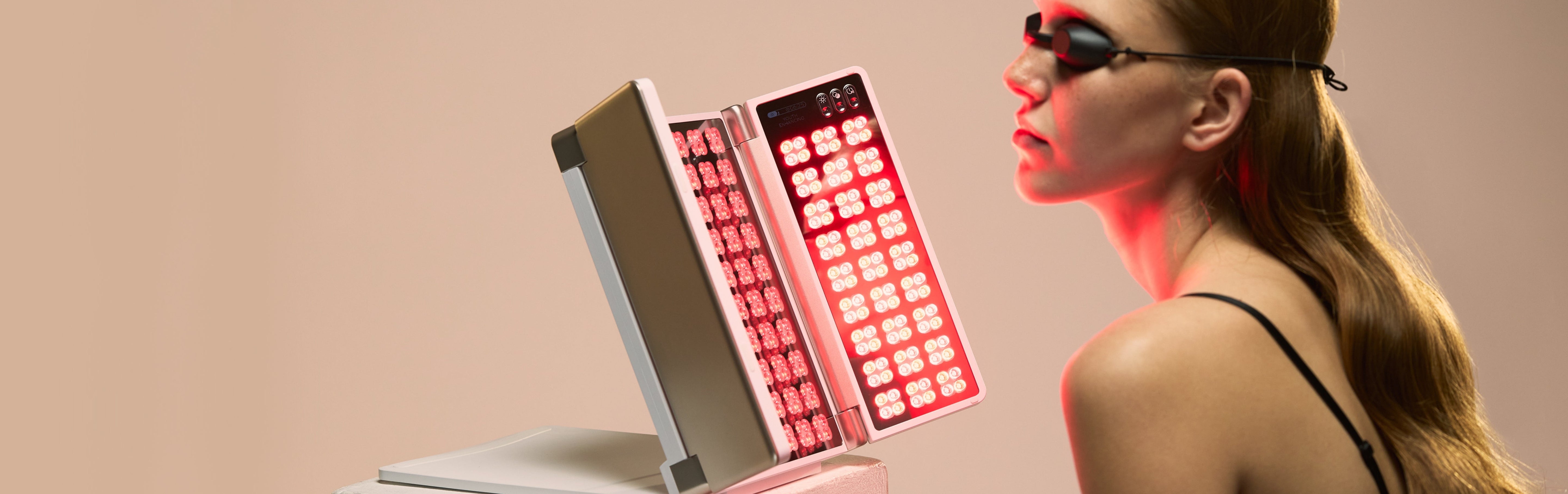
Dosing red light therapy is essentially the amount of energy that’s delivered through the mask during use. The ideal dose of red light for the desired outcome; not too much and not too little.
Red light therapy output is measured in energy emitted during your relaxing daily treatment sessions. There are a few ways at-home LED masks are measured when it comes to dosing. The first is the output of power, the second is how long the session is, and the third is how close the mask sits to the skin.
The reason dosing matters is that we need the correct amount of energy for the correct duration to be effective. Although there’s no evidence that LED masks are dangerous, it’s best not to overdo it and overwhelm the skin. As with many of the best things in life, little and often is the most effective way to see results.
Why Red Light Therapy Dosing Is the Key to Effective Light Therapy
The role of using red light therapy is to stimulate the skin at a cellular level. When exposed to red light therapy, the skin absorbs this light energy and stimulates the mitochondria. The mitochondria are critical for healthy skin function, powering up other important processes within the skin. As we age (intrinsic aging) and are exposed to environmental stressors and UV (extrinsic aging), our mitochondria can become less efficient. This can impair skin healing, worsen oxidative stress, and trigger inflammation — all leading to premature aging.
Red light therapy comes in to reduce this mitochondrial dysfunction. It works to amp up these energy-producing structures.

Light therapy sessions at the correct dosage can boost ATP production — mitochondria convert into adenosine triphosphate (ATP) — which is fundamental in keeping everything powered up and healthy. This leads to reduced oxidative stress, maintained healthy cell turnover, and supported wound healing, among many others. Together, this keeps skin barrier function happy and the skin’s structure (collagen and elastin) in tip-top shape. Although those LED sessions are relaxing, your skin is working hard behind the scenes.
If the dosage of the light therapy isn’t sufficient, though, these incredible processes won’t be working as efficiently (if at all) as they should. This can lead to slow or disappointing results.
Just like many other skin treatments, the key lies in getting the dosage right. We don’t want to overwhelm, but we don’t want to do too little that results aren’t achieved.
The Correct Red Light Therapy Dosage
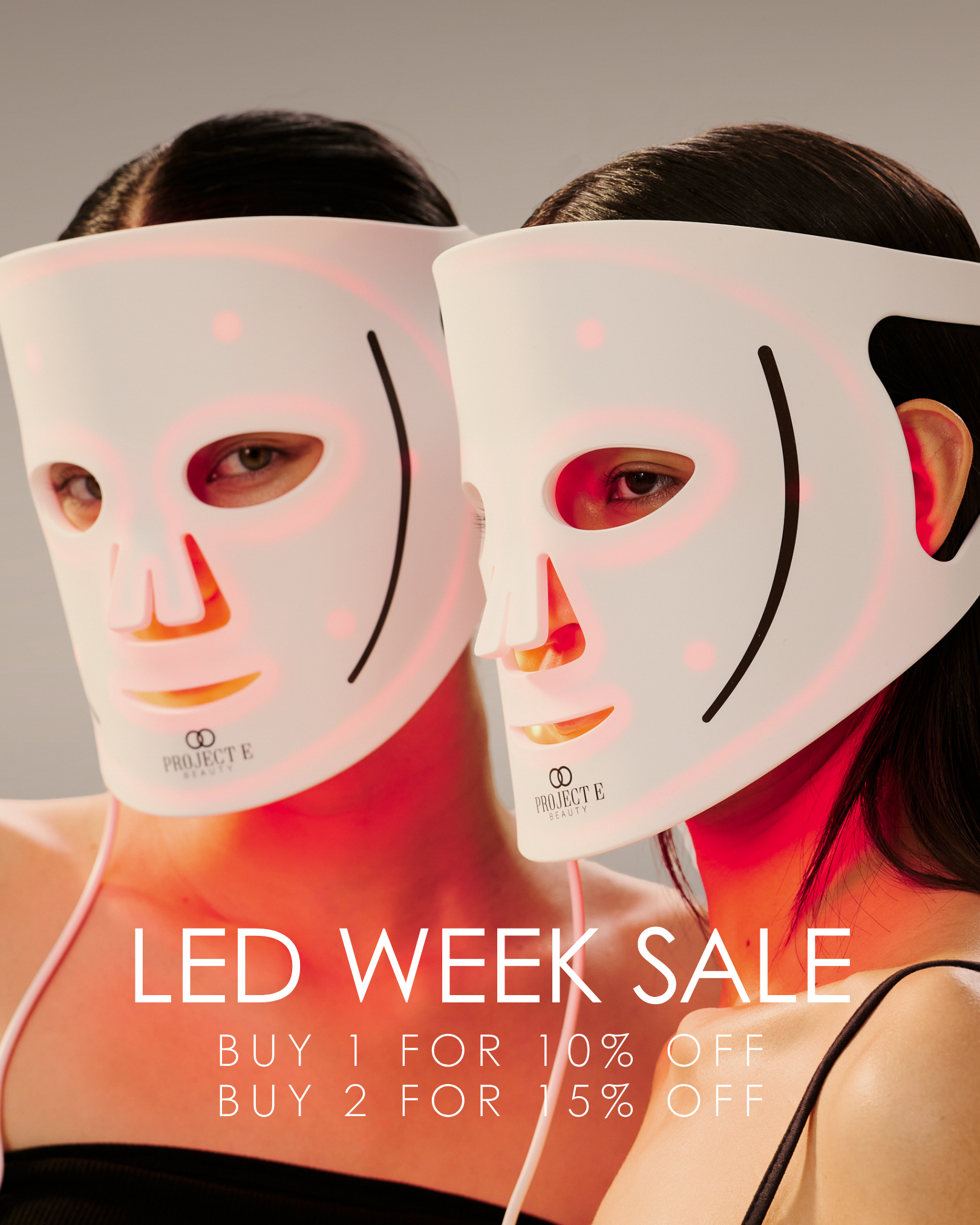
The great news is that you don’t need to worry about dosage with the Project E LumaLux Face Pro LED Light Therapy Mask, as it’s all set for you. From anti-aging to blemish-busting, there are 8 modes depending on your skin concerns and goals.
Most devices on the market require 10-20 minute sessions per day. However, high-quality devices like the LumaLux Face and Face+ can deliver the same therapeutic dose in just 3-6 minutes. Begin with a session of 3-6 minutes, 3-5 times a week. It’s safe to use daily, as long as you follow the manufacturer's manual. Once you start seeing results, you can drop down to twice weekly.
The mask will automatically shut off once your session is over, so you don’t have to keep an eye on the time.
Lumalux Face Pro LED Light Therapy Mask Modes
| Mode 1 |
Red + Infrared + Deep Infrared Light Wavelength |
630 + 850 + 1072nm ± 5% | Targets deep static wrinkles |
| Mode 2 | Infrared + Deep Infrared Light Wavelength |
850 + 1072nm ± 5% | Reduces fine lines and wrinkles |
| Mode 3 | Blue Light Wavelength | 460nm ± 5% | Helps destroy blemish bacteria, helping to prevent breakouts and regulates oil production |
| Mode 4 | Green Light Wavelength | 520nm ± 5% | Works to help fade dark spots and hyperpigmentation, and balances skin tone |
| Mode 5 | Purple Light Wavelength | 430 + 630nm ± 5% | Combines the benefits of blue and red light to target uneven skin tone and inflammation |
| Mode 6 | Cyan Light Wavelength | 460 + 520nm ± 5% |
Reduces redness, swollen capillaries, breakouts, and inflammation |
| Mode 7 | Yellow Light Wavelength |
630 + 520nm ± 5% | Calms sensitive skin and reduces redness |
| Mode 8 | White Light Wavelength | 460 + 630 + 520nm ± 5% | Powerful combination of light improves overall skin health for total rejuvenation |
What’s the Sweet Spot For Red Light Therapy Dosage?
Red light therapy’s ‘sweet spot’ of 5-9J/cm² is the ideal dose where your skin gets the maximum benefits without too little (no effect) or too much (diminishing returns). This is due to something called the biphasic dose response, which is where light energizes skin cells’ mitochondria for peak repair in this range, as shown in clinical trials.
It’s important to maintain consistency 3-5 times per week while wearing the mask correctly and not overdoing the 3-6 minute sessions. Because the LumaLux Face and Face+ have an industry-leading number of bulbs, sessions can be shorter than other devices. Over time, these little but frequent sessions lead to great results.

Dosing correctly helps brands like us check that you’re using the tool correctly, and it helps us help you track your progress. Consistency is the key to healthy and glowing skin — and that’s exactly what dosing aims to achieve.
It’s often tempting to try to overdo it in the pursuit of quick fixes, but that doesn’t lead to results. Our skin cells can get overwhelmed, too. Short, effective windows of treatment over time, alongside an effective skincare routine, are going to yield far better results.
Calculating Red Light Therapy Dose
To understand red light therapy dosing, you need to get to grips with a couple of key terms. These measurements determine how much light actually reaches your skin and how effectively it works.
Irradiance
The intensity of light delivered to the skin. Measured in milliwatts per centimeter squared (mW/cm²).
Fluence (Dose)
The total energy hitting the skin over time. Measured in joules per centimeter squared (J/cm²). Fluence = Irradiance × Time (seconds) ÷ 1000
The LumaLux Face calculations are as follows:
Irradiance: 30 mW/cm² (manufacturer's claimed value)
Time: 3 minutes = 180 seconds
Calculation: 30 × 180 ÷ 1000
Final fluence: 5.4 J/cm²
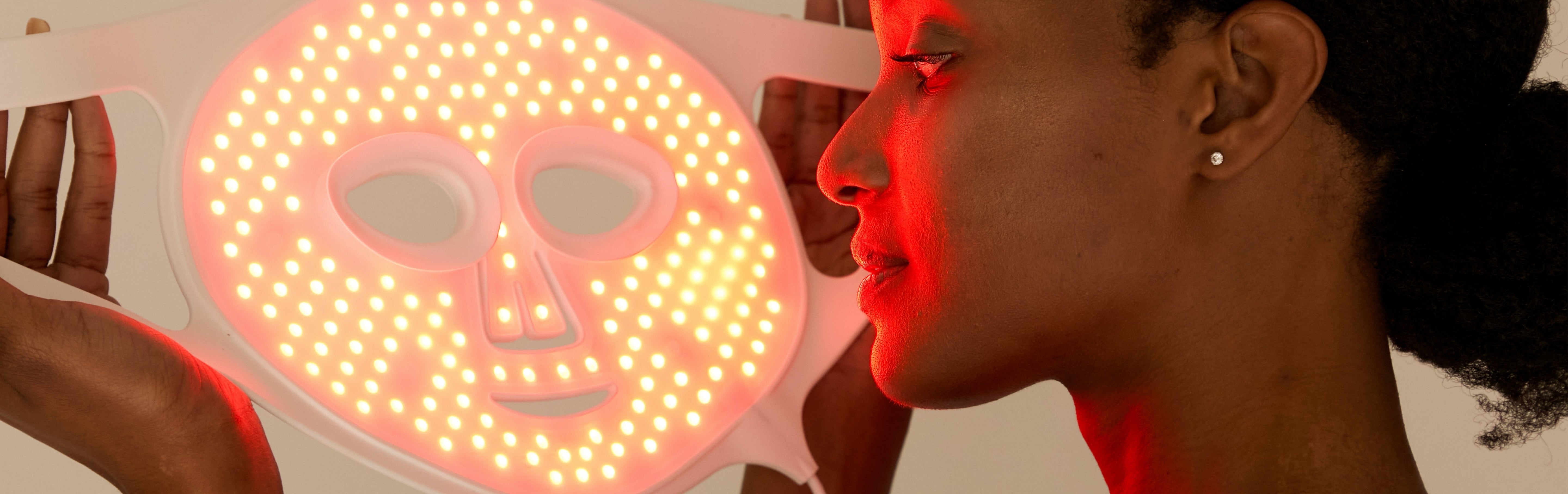
The wavelength of a red light therapy mask determines how far the light penetrates into the skin. LumaLux Face uses seven wavelength modes, including infrared (850nm) and deep infrared (1072nm), delivered through 800 LEDs.

For aging benefits, 630nm and 660nm wavelengths are most effective for skin rejuvenation, such as collagen production. Deeper wavelengths don’t necessarily mean better treatment.
With precise dosing and carefully controlled output, LumaLux Face enables optimum results efficiently and quickly.
Factors Affecting Dosing in Light Therapy
It’s not just wavelengths that matter. There are many factors that go into making light therapy successful.
As mentioned previously, wavelengths between 630nm and 660nm are optimal for aging benefits. The number of LEDs matters; the LumaLux Face Pro LED Light Therapy Mask contains 800 LEDs.
The frequency with which you use the mask matters. 3-5 times a week is optimal, and be sure to never exceed the session time after the mask automatically switches off. The mask fit is important, too. The LumaLux Face is thoughtfully made with 100% hypoallergenic silicone that molds perfectly to facial contours. It even has a built-in cushion for eye protection and integrated lip coverage, so there’s no guessing whether it fits your face correctly.
Red light therapy requires consistency and commitment to skincare in other areas. As much as we wish it could, a light therapy session every once in a while can’t fix an inconsistent skincare routine elsewhere. Wear sunscreen daily to protect against harmful UV rays and use retinoids at night.
None of these factors is the sole determinant of whether a light therapy mask is good; it’s the combination of all of the above in an optimal balance that makes light therapy masks excel.
Conclusion
The dosing of a red light therapy mask is the difference between results and disappointment. Choosing a mask that’s done all the hard work for you takes a lot of the guessing out. And if you use your mask as the instructions specify, you’ll be more than satisfied that your skin goals are being met.
Consistency through science-backed dosing over quick fixes is the key to great results through red light therapy.



Leave a comment
This site is protected by hCaptcha and the hCaptcha Privacy Policy and Terms of Service apply.