


Should I Use My LED Mask In The Morning Or Night ?

IN THIS ARTICLE:
- 1. What is the Best Time to Use an LED Mask?
- 2. What is LED Light Therapy?
- 3. Can I Use My LED Mask Right Before Bed?
- 4. When is the Best Time to Do Blue Light Therapy?
- 5. When is the Best Time to do Red Light Therapy?
- 6. Can I Use an LED Mask Twice a Day?
- 7. Can You Do Red Light Therapy Every Day?
- 8. Is LED Light Therapy Safe?
- 9. The Takeaway: When is the Best Time to do LED Light Therapy?
Key Takeaways:
- You can use an LED mask in either the morning or night.
- In the morning, it offers an energy boost and improved mood.
- At night, red light wavelengths promote relaxation and regulate hormone production to improve sleep.
- There is some evidence to suggest red light in the morning protects against the effects of UV light.
- It is advised to use blue light in the morning to prevent disrupting your sleep cycle.
1. What is the Best Time to Use an LED Mask?
Wondering when is the best time to use an LED mask according to science? There is no 'perfect' time to use an LED mask, but there is some interesting scientific research on the effects of using red light either in the morning or at night that you may want to consider before integrating your new device. The 'best time' to use an LED mask is a personal consideration, and creating a routine you can maintain is ultimately the most important thing.
When should you use your LED light therapy device? Is it more effective during the day, or should you avoid using it before bedtime? Does the time of day matter for blue light therapy, red light therapy, or infrared therapy?
2. What is LED Light Therapy?
LED light therapy is the application of certain light wavelengths to the skin to trigger biochemical responses and address a diverse range of skin concerns from acne and aging to hyperpigmentation and chronic skin conditions such as eczema, psoriasis, and dermatitis. One of the reasons LED light therapy has gained popularity is its versatility in addressing a wide range of skin concerns.
3. Can I Use My LED Mask Right Before Bed?
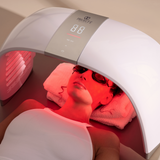
Yes, using an LED mask right before bed is a great way to promote relaxation and improve sleep quality. Red light therapy wavelengths promote the release of the 'sleepy' hormone melatonin, signally to the body it is time for rest.
4. When is the Best Time to Do Blue Light Therapy?
As blue light may have a stimulatory effect, it's best to schedule your blue light therapy session before 4 p.m. to minimize any potential disruption to melatonin production. Doing so helps ensure that your body’s natural circadian rhythm remains intact, which is important for maintaining healthy sleep patterns and overall sleep quality. According to the research, the best time to use your blue light therapy device is in the morning, just after you wake, to prevent disruptions to the circadian clock and regulate energy throughout the day.
5. When is the Best Time to do Red Light Therapy?
Unlike blue light therapy, there is no 'best' time to use a red light therapy mask, and doing treatments in either the morning or evening offers distinct health benefits.
1. The benefits of red light therapy in the morning include
- Boost energy levels and improve cognitive function for the day ahead
- Potentially protects from the harmful effects of UV light, the research here is still limited, it is still very important to apply daily SPF.
2. The benefits of red light therapy in the evening include
- Unlike high-energy blue light, red light regulates the release of melatonin and promotes calmness and relaxation before bed
- Improved sleep quality
- It may be easier to stay consistent with evening red light sessions
6. Can I Use an LED Mask Twice a Day?
Red light therapy follows what's known as a biphasic dose response, meaning that both insufficient and excessive exposure to light can reduce its effectiveness. While using an LED mask twice a day is unlikely to cause harm, overuse may lead to diminishing returns or even interfere with your skin's natural healing processes. To achieve the best results, it's important to follow the manufacturer’s guidelines regarding session length and frequency. These recommendations are typically based on clinical research to ensure both efficacy and safety. If you're considering increasing your usage, consult with a dermatologist or healthcare professional to ensure it aligns with your individual skin needs and overall treatment goals.
7. Can You Do Red Light Therapy Every Day?
We always recommend a minimum of 3 to 5 sessions per week to start seeing visible skin results but many people choose to do daily sessions to maintain and accelerate those benefits. Consistency is key with red light therapy, and using it every day can help reinforce the positive effects over time, as long as you’re following the manufacturer’s recommended duration and intensity for each session
8. Is LED Light Therapy Safe?
LED light therapy is a safe and widely recognized treatment, backed by a 2018 study confirming its exceptional safety profile. The bulbs used for LED light therapy devices are also UV-free and non-heating, ensuring no harm to the surface of your skin while still delivering desirable benefits.
The high intensity of LED bulbs used in these devices can be too bright for your eyes to handle. For protection, look for an LED light therapy device that includes built-in protective goggles or provides a pair of blackout goggles. These essential accessories will shield your eyes from any potential overexposure to the LED light.
LED light treatments are non-invasive, painless, and require minimal effort on your part. You can simply sit back, relax, and enjoy the session as it gives your skin the pampering it deserves.

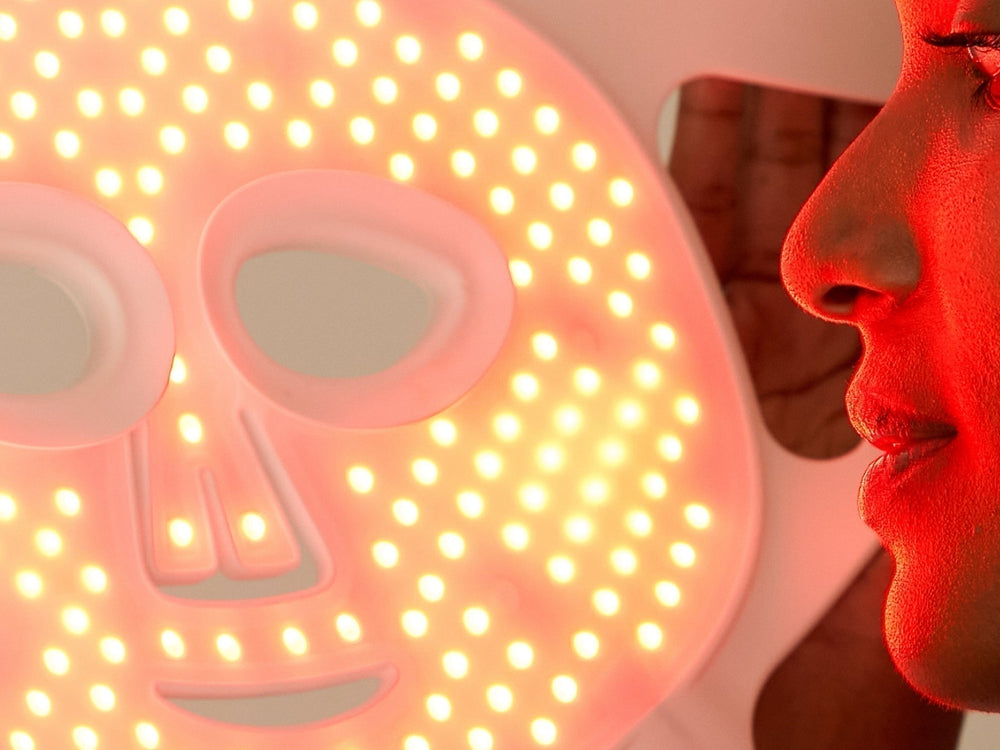
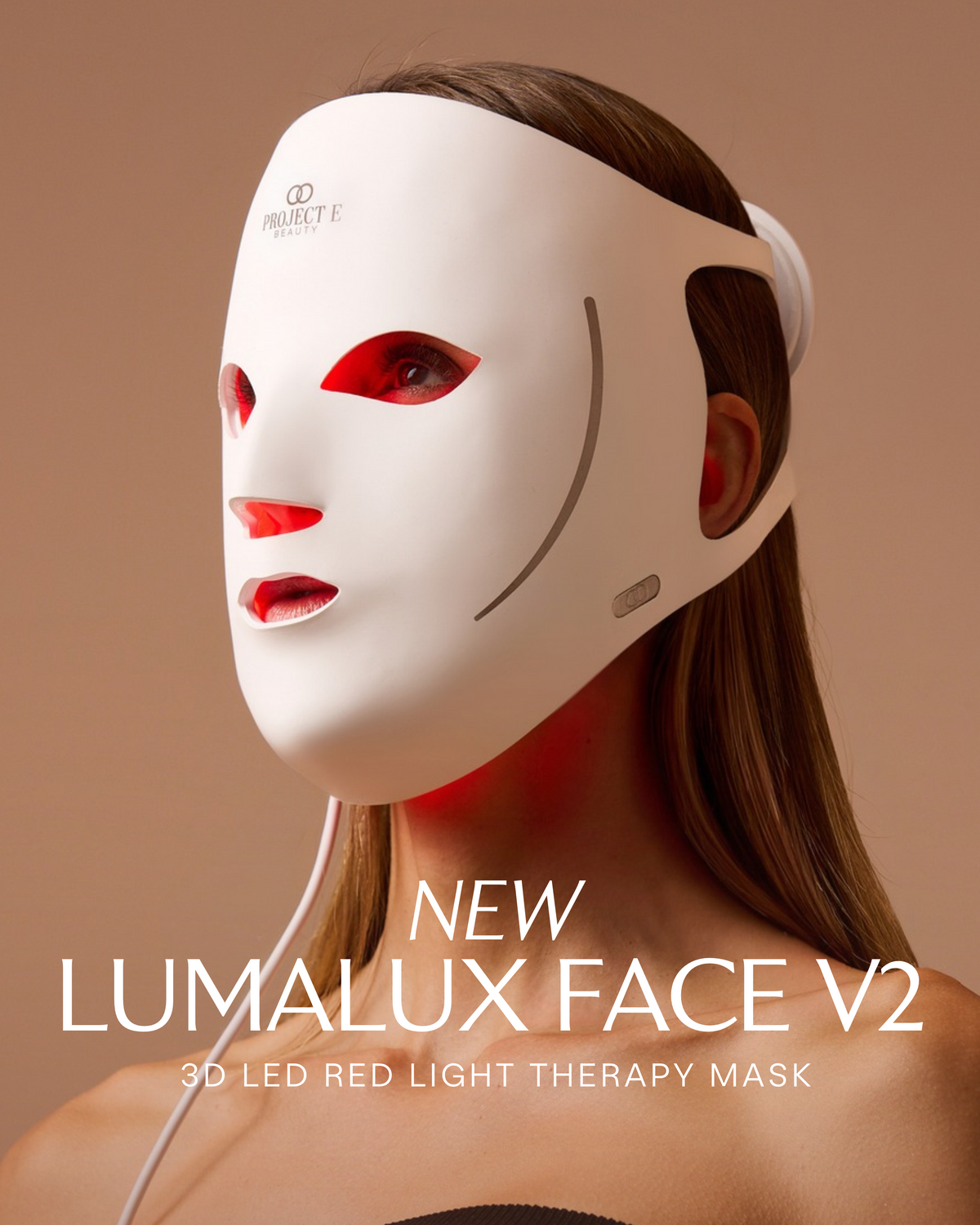
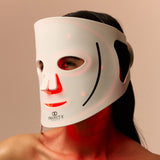
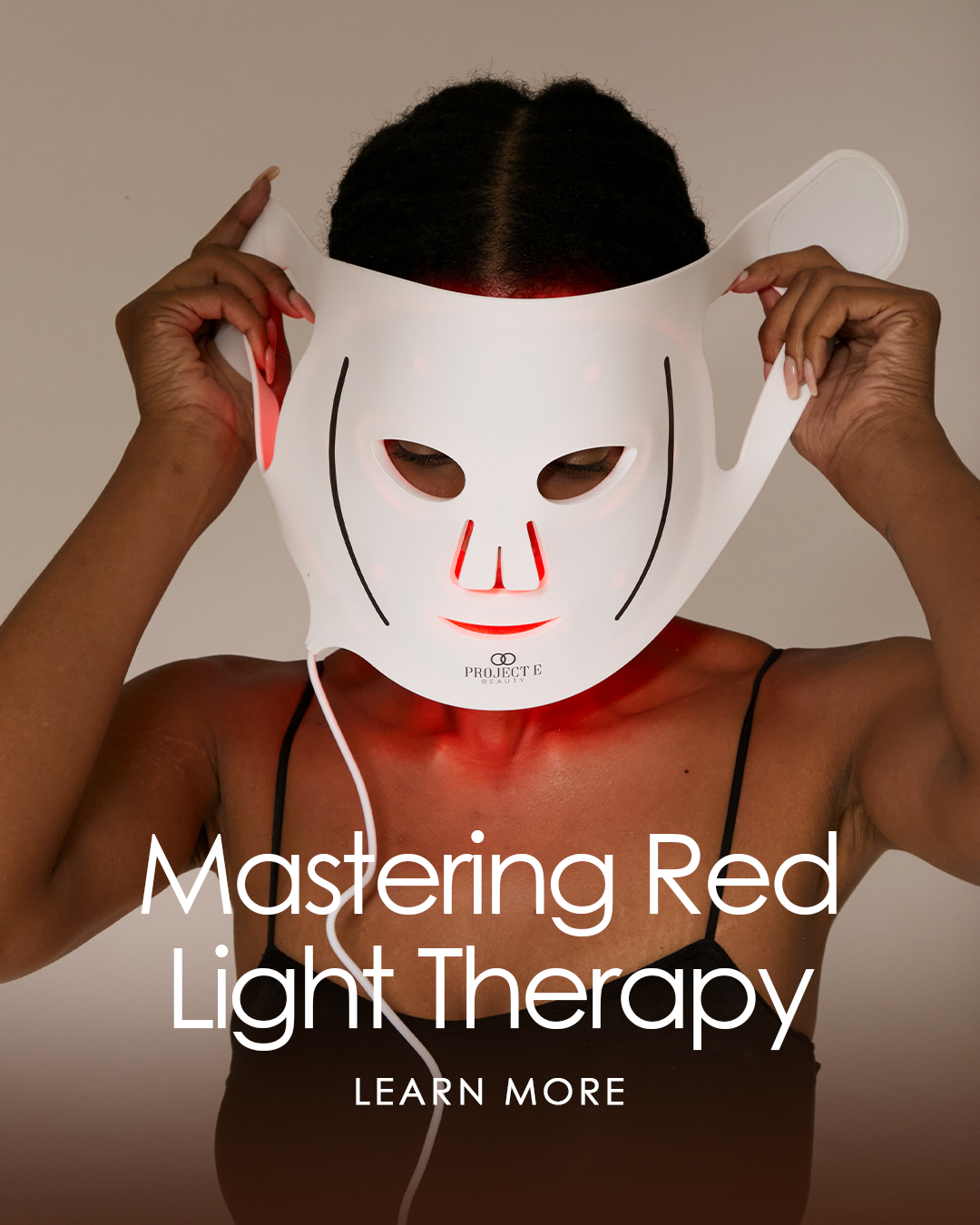
LumaLux Face V2 | 3D LED Red Light Therapy Mask
960 LEDs and 140% more red light for collagen, fine lines and breakouts, in a new 3D contour fit
9. The Takeaway: When is the Best Time to do LED Light Therapy?
While there is no 'best' time to use LED light therapy, there are a few things worth bearing in mind depending on your specific goal and schedule. It is best to avoid blue light therapy devices entirely after 4 pm, with the optimal usage time being first thing in the morning. Red light is a bit more flexible as it has distinct benefits in the morning and night. In the morning, it can boost mood and energy stabilization while potentially protecting from the effects of UV rays, while at night it regulates melatonin production for better sleep outcomes.